Automation trends
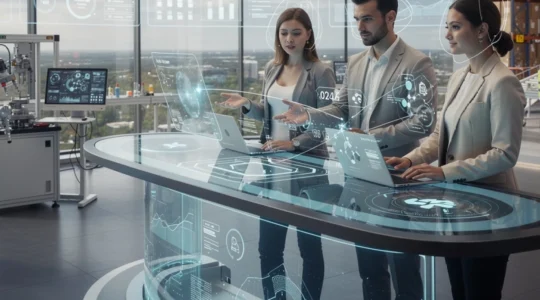
Why hybrid automation models combine the best of human and machine capabilities
The evolution of workplace automation has reached a pivotal moment where the binary choice between human workers and machines no longer defines operational excellence. Modern enterprises are discovering that the…
Lire la suite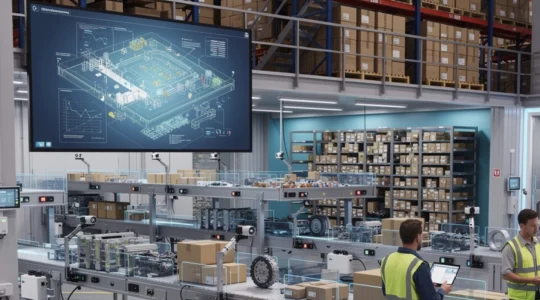
How intelligent conveyors are redefining material handling systems
# How Intelligent Conveyors Are Redefining Material Handling Systems Manufacturing and logistics operations are experiencing a fundamental transformation as intelligent conveyor systems replace traditional material handling infrastructure. These advanced networks…
Lire la suite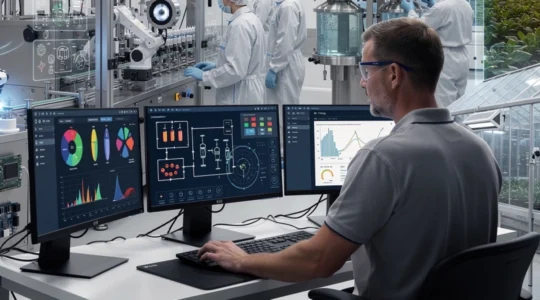
The role of Micro-Automation in improving niche industrial processes
Micro-automation represents a transformative approach to industrial process optimisation, particularly within specialised manufacturing environments where precision and control are paramount. Unlike large-scale automation systems that require substantial capital investment and…
Lire la suite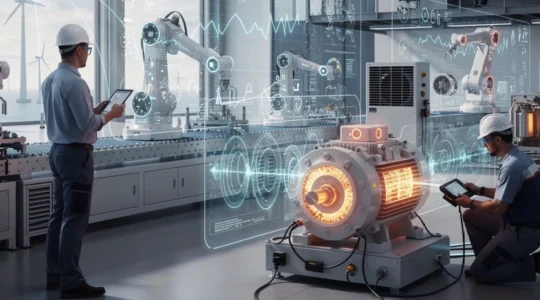
How automation is transforming maintenance with self-diagnosing equipment
The industrial landscape is experiencing a profound transformation as self-diagnosing equipment revolutionises traditional maintenance approaches. Modern manufacturing facilities are witnessing unprecedented improvements in operational efficiency, with predictive maintenance systems reducing…
Lire la suite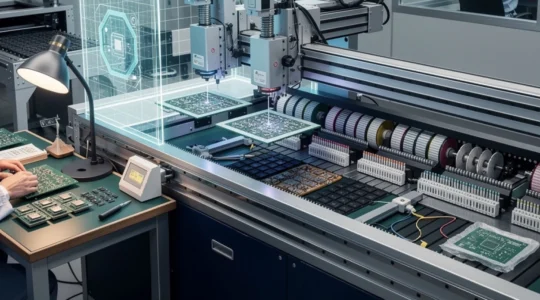
The evolution of pick-and-place systems in high-speed manufacturing
The transformation of manufacturing through automated pick-and-place systems represents one of the most significant technological advances in modern production environments. From humble beginnings in manual assembly lines to today’s sophisticated…
Lire la suite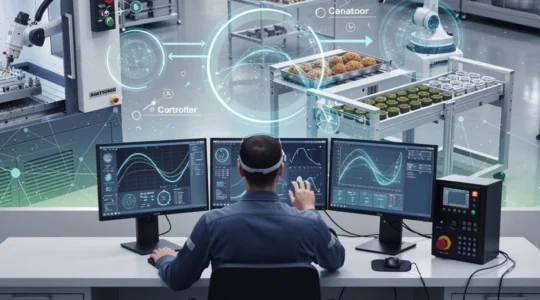
How Closed-Loop automation enhances precision and reduces waste
Manufacturing industries worldwide face mounting pressure to deliver products with unprecedented precision while minimising resource consumption. Closed-loop automation systems have emerged as a transformative solution, fundamentally changing how production facilities…
Lire la suite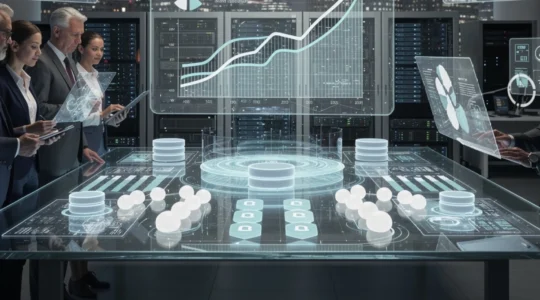
Why automation scalability is becoming a critical business requirement
The modern enterprise landscape is experiencing an unprecedented transformation as organisations grapple with exponentially increasing data volumes, complex regulatory requirements, and rapidly evolving customer expectations. Automation scalability has emerged from…
Lire la suite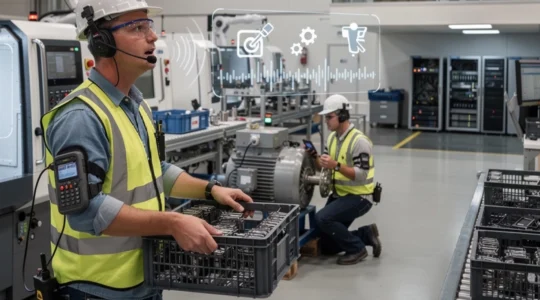
The integration of Voice-Controlled systems in industrial environments
Manufacturing floors and industrial facilities are undergoing a transformative shift as voice-controlled systems transition from consumer novelty to mission-critical infrastructure. The industrial landscape has witnessed remarkable technological evolution over recent…
Lire la suite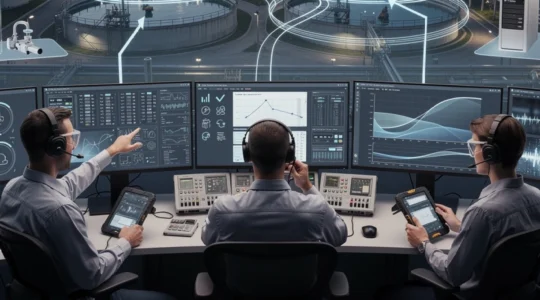
How distributed automation systems improve resilience in industrial operations
Industrial facilities worldwide face mounting pressure to maintain continuous operations despite equipment failures, cyber threats, weather disruptions, and supply chain volatility. Traditional centralised control architectures, while functional, create single points…
Lire la suite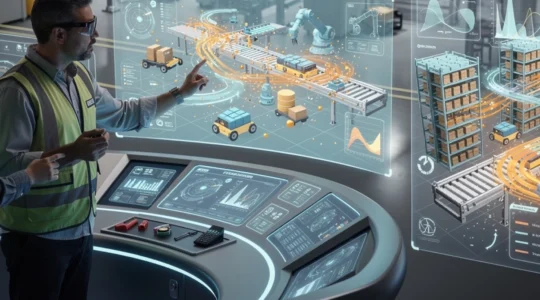
The role of simulation in designing more efficient automated processes
Manufacturing and logistics operations face unprecedented pressure to deliver higher throughput, lower costs, and improved reliability. Traditional trial-and-error approaches to process design have become untenable in an environment where downtime…
Lire la suite